

Health risks and diseases
Schmalz solutions protect what really matters.

Schmalz solutions protect what really matters.
Anyone who lifts, carries, pushes or pulls loads every day puts their body to the test. Often unnoticed and for years - until it's too late. Back pain, joint problems and chronic overuse injuries are among the most common health consequences of physical work. In particular, incorrect strain at work is considered a driver of back problems and other musculoskeletal disorders (MSDs) - currently the most common cause of incapacity to work at almost 25%.
For many employees, manual handling without ergonomic support means: loads that are too heavy, incorrect movement sequences, unfavorable postures - and long-term health risks.
million days of absence due to musculoskeletal disorders.
billion euros in annual production downtime costs.
new retirements due to musculoskeletal and connective tissue diseases.
of diagnosis days due to musculoskeletal disorders.

Our staff is the key to our great success and we support them. This naturally includes reducing physical strain wherever possible.∼ Frank Januschowski, Logistics Manager, FreiLacke
Unergonomic workstations not only lead to short-term discomfort, but can also cause serious long-term damage to health. These consequences affect various parts of the body and have a negative impact on employees' physical well-being, performance and quality of life. Pain, tension and exhaustion are often only the first signs. If the causes are not addressed, they can lead to chronic illnesses and incapacity to work.

These are caused by frequent lifting of heavy loads with incorrect posture or rotational movements of the spine. Bending down constantly or too low can also be a cause of these complaints and the resulting inability to work.

Repetitive movements, incorrect posture or remaining in static positions for a lengthy period can lead to muscle tension and pain - especially in the neck, shoulders, arms, and lower back.

Excessive strain without proper breaks or recovery time reduces concentration, increases error rates, and raises the risk of accidents. Overexertion and pain at the workplace can limit the performance potential of employees.

Persistent pain and constant strain lead to stress, anxiety, depression and sleep problems. At the same time, physical stress can lead to serious illnesses, up to and including a heart attack.
Unergonomic working methods not only affect certain areas of the body, but the entire body. Poor posture, repetitive movements and one-sided strain lead to a chain reaction of complaints that can affect different parts of the body. From the neck and shoulders to the back, joints and cardiovascular system - the consequences are manifold and can have a lasting impact on employees' health and performance. The following body regions are particularly stressed during lifting, holding and carrying:

Lower back

Elbow

Wrists

Hip

Neck and upper back

Shoulder and upper arms

Knee
Ergonomic handling solutions are crucial for relieving the body in a targeted manner, preventing complaints and counteracting chronic illnesses. An ergonomically designed working environment is essential, especially in working areas with a high level of physical strain - such as production and logistics.
Aktion Gesunder Rücken (AGR) e.V., in cooperation with Germany's two largest back school associations, has established a quality seal that serves as a guide when selecting workplace equipment. Every product awarded the seal has undergone a detailed certification process. Vacuum lifting devices from Schmalz are certified with the AGR seal. An independent panel of experts confirms: vacuum lifting devices promote ergonomic lifting, enable back-friendly work, accelerate processes, and reduce health-related absences.


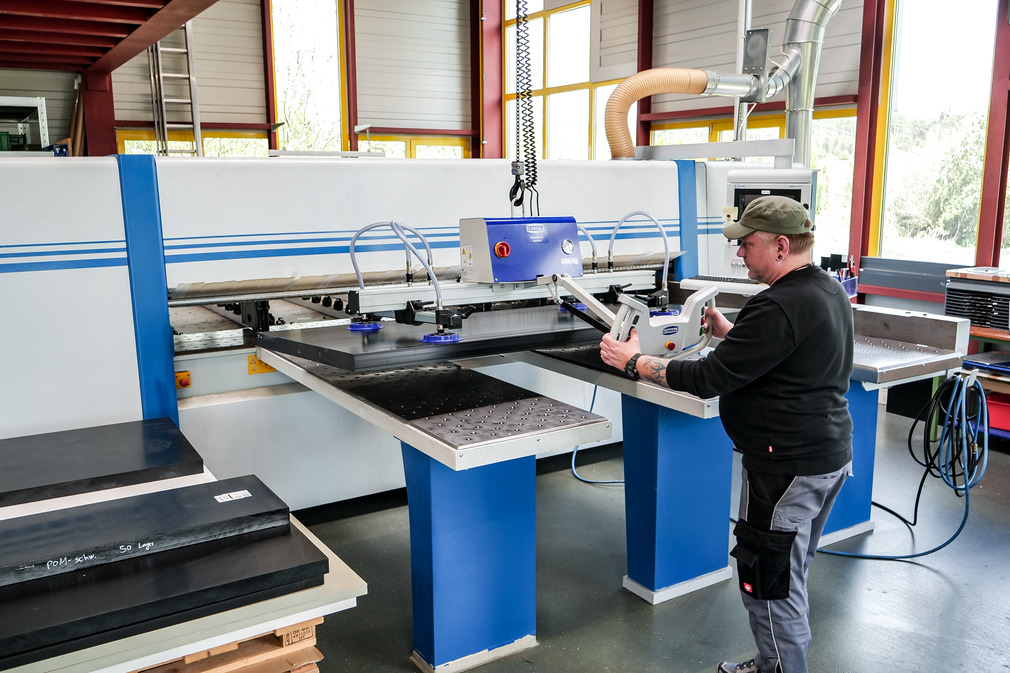
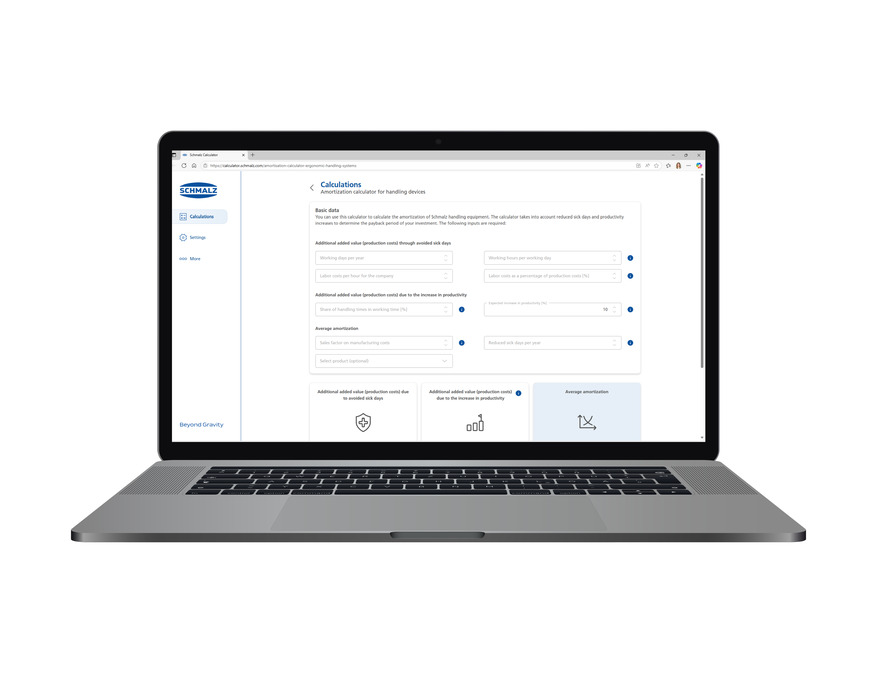
Ergonomic lifting technology can significantly reduce strain - and thus avoid downtime and costs.
Use the amortization calculator and see when the purchase pays off.
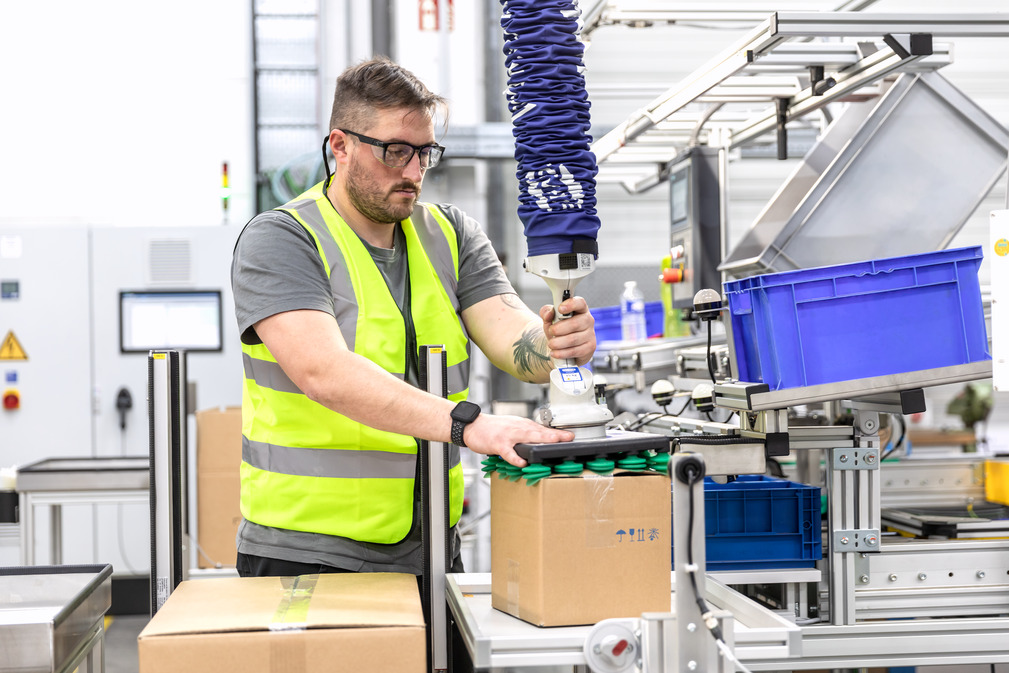
When the focus is on health and well-being, sustainable success is the result: our best practices show how ergonomic vacuum lifting devices noticeably relieve employees, boost their performance and give them more power for demanding tasks - for less fluctuation and a happier team.

The targeted use of ergonomic lifting solutions has significantly reduced physical strain. The result: less downtime, greater safety and a noticeable increase in job satisfaction.

LTG relies on vacuum lifters from Schmalz to move heavy sheet metal weighing up to 500 kg safely and ergonomically. This success story demonstrates how ergonomic lifting solutions ensure healthier workplaces even with heavy loads.

With ergonomic vacuum lifters, handling awnings becomes effortless - ergonomic, safe and energy-saving. This solution not only improves health, but also boosts team motivation and productivity.
Less back pain, more power: ergonomic working protects your employees and your company.
For safe and compliant workplaces: Everything you need to know about occupational safety and standards can be found here.
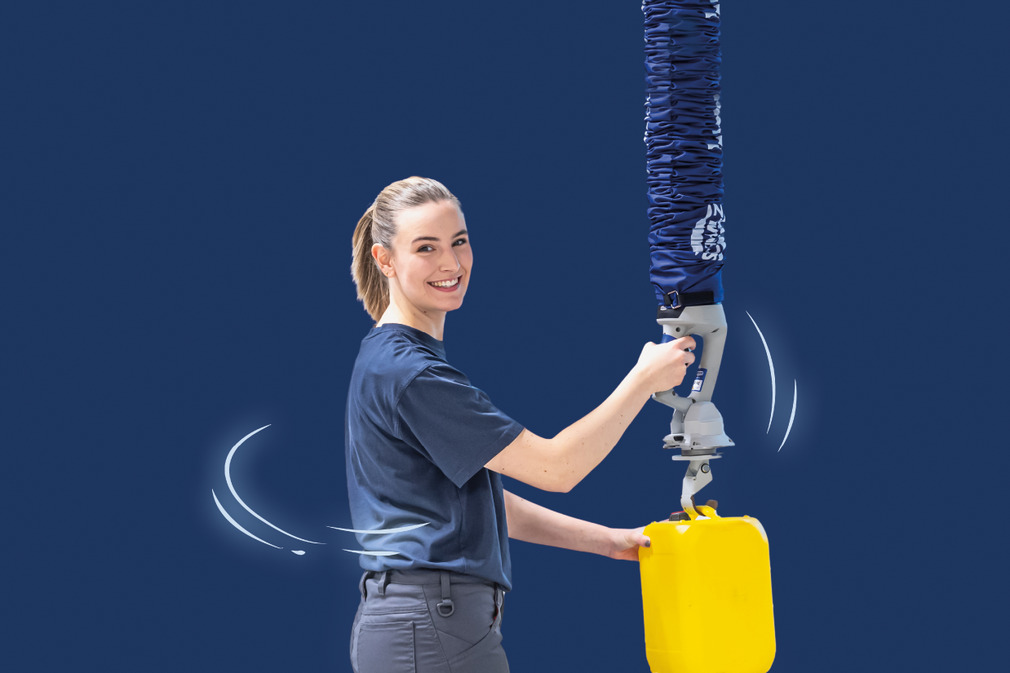
Unergonomic workstations cost time and money - find out how you can increase efficiency.
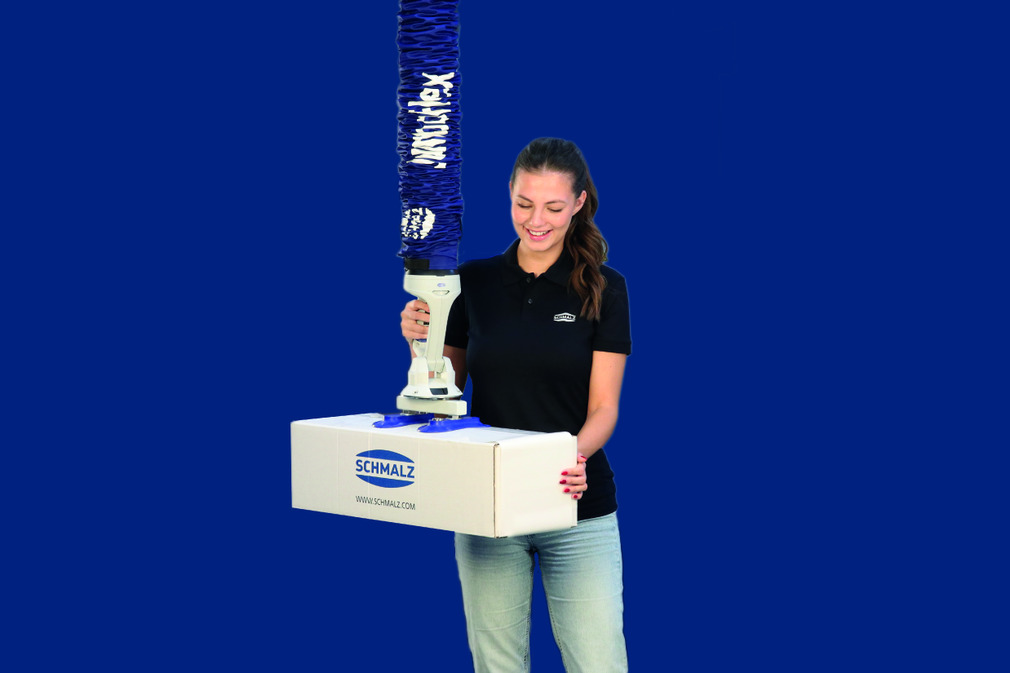
Ergonomic handling made easy: Discover our solutions here.

Commerz Park West 1
4061 Pasching
A risk of physical strain is evident in the task itself—not just when symptoms appear. Two approaches can help with the assessment:
Forced postures and repetitive movements can cause permanent damage if the strain exceeds the ability of muscles, tendons, and joints to recover. Three mechanisms are responsible for this:
The key factor is the balance between exertion and recovery: Without adequate breaks and ergonomically appropriate relief, reversible symptoms can develop into permanent structural damage.
Musculoskeletal disorders (MSDs) are conditions and signs of wear and tear affecting muscles, tendons, ligaments, joints, and the spine. Unlike a work-related injury, they do not result from a single event but develop gradually over months or years. Typical conditions include herniated discs, osteoarthritis, tendonitis, and carpal tunnel syndrome.
In manual work processes, they result from the interaction of three factors:
The combination of these factors is crucial: Only when several factors coincide and exert their effects over a length of time do temporary symptoms develop into permanent damage.
