Schmalz

Operating principles of vacuum generation

Venturi principle

Operating principle

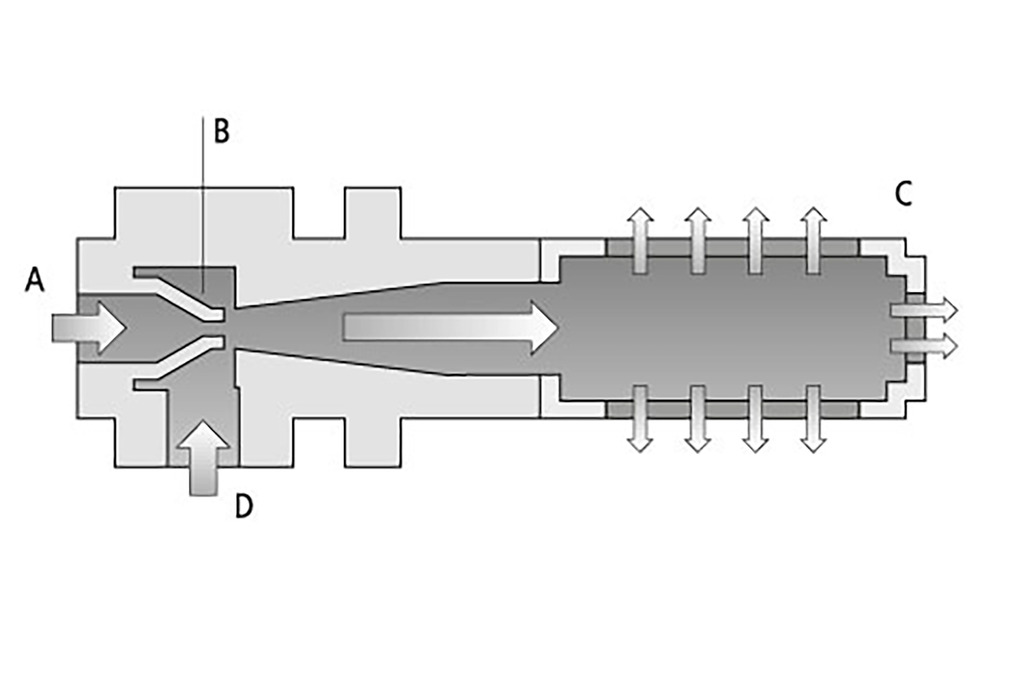
  • Pneumatic vacuum generators function based on the Venturi principle
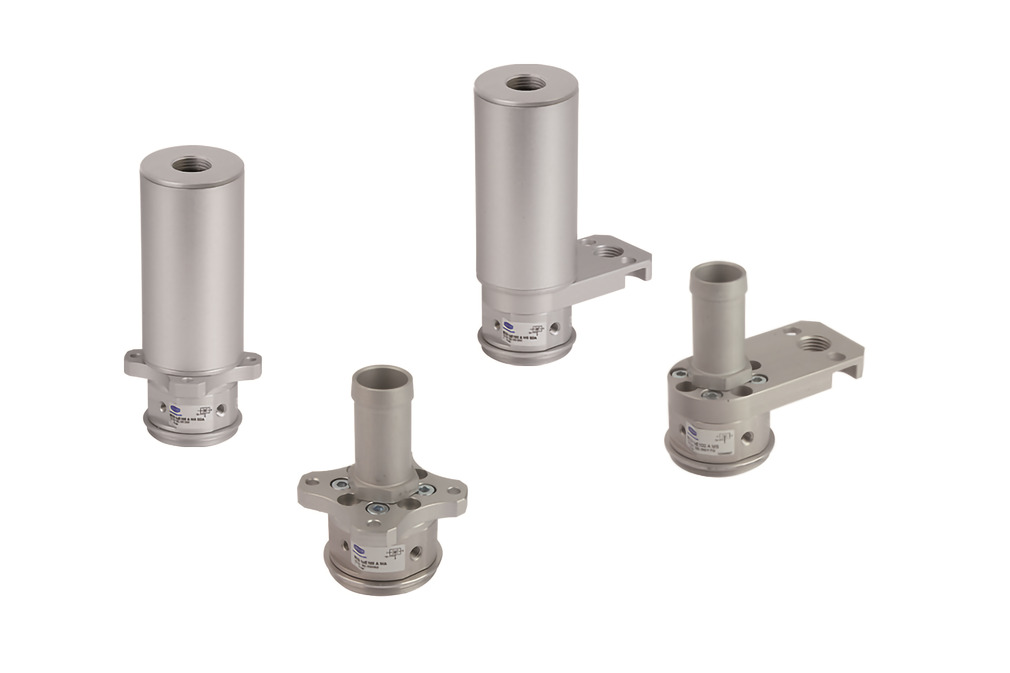
  • Compressed air is introduced into the ejector (A)
  • Due to the reduced cross-section of the motive nozzle (the Venturi nozzle [B]), the compressed air is accelerated. The dynamic pressure increases, while the static air pressure simultaneously decreases.
  • Once it has passed the motive nozzle, the accelerated air expands and a vacuum is generated
  • Air is "sucked" through the vacuum connection (D) into the ejector
  • The compressed air escapes from the ejector through the silencer (C) together with the "sucked-in" air.

Advantages

  • Vacuum generators that function according to the Venturi principle are especially suitable for very high accelerations
  • Vacuum grippers can be controlled individually
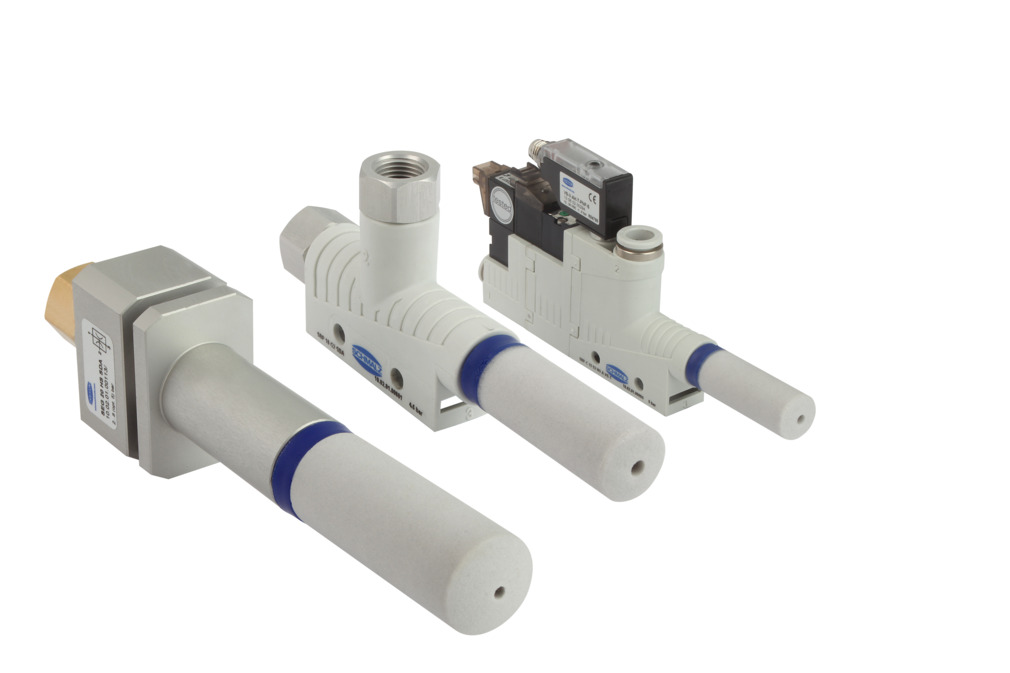
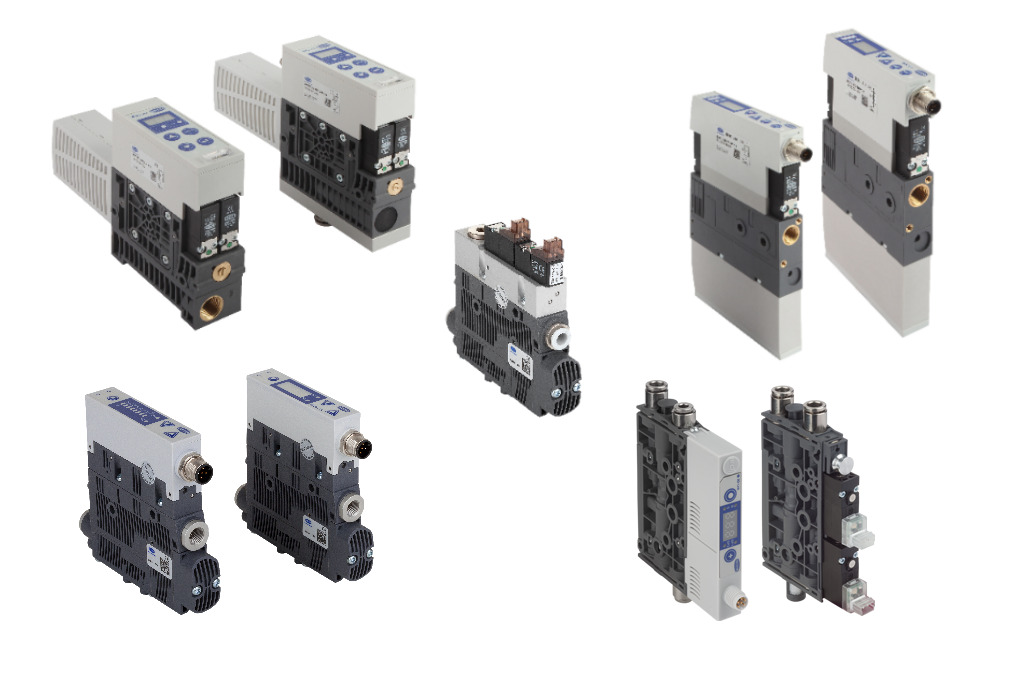
  • Ejectors in different designs for centralized and decentralized vacuum generation depending on the application
  • Various power classes to suit the workpiece and application

Products

Bernoulli's principle

Operating principle

  • Pneumatic operation with integrated vacuum generation
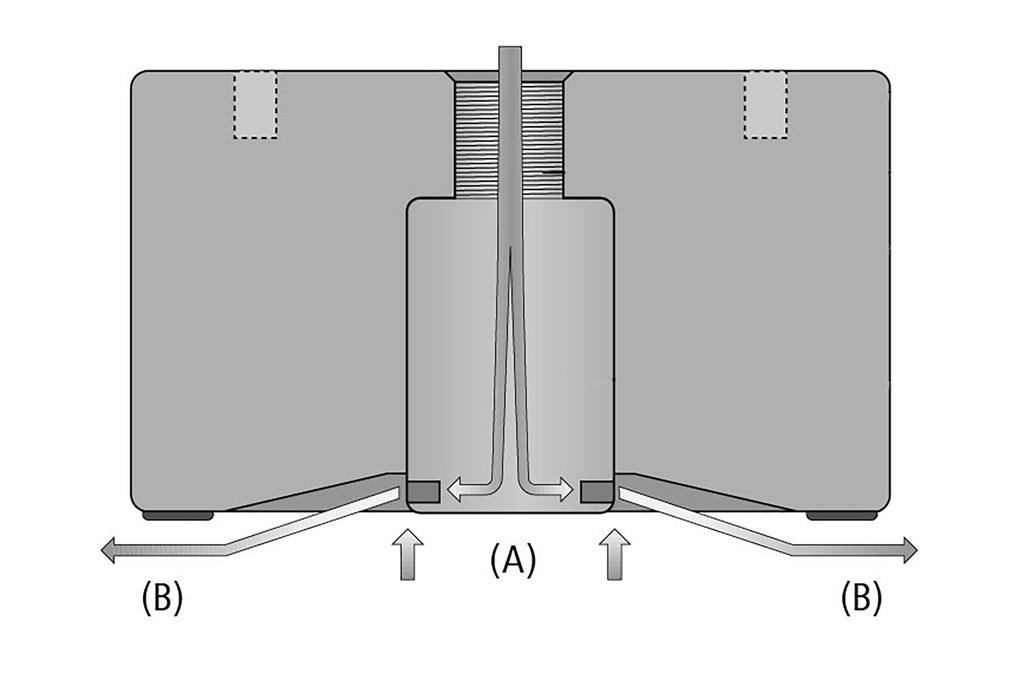
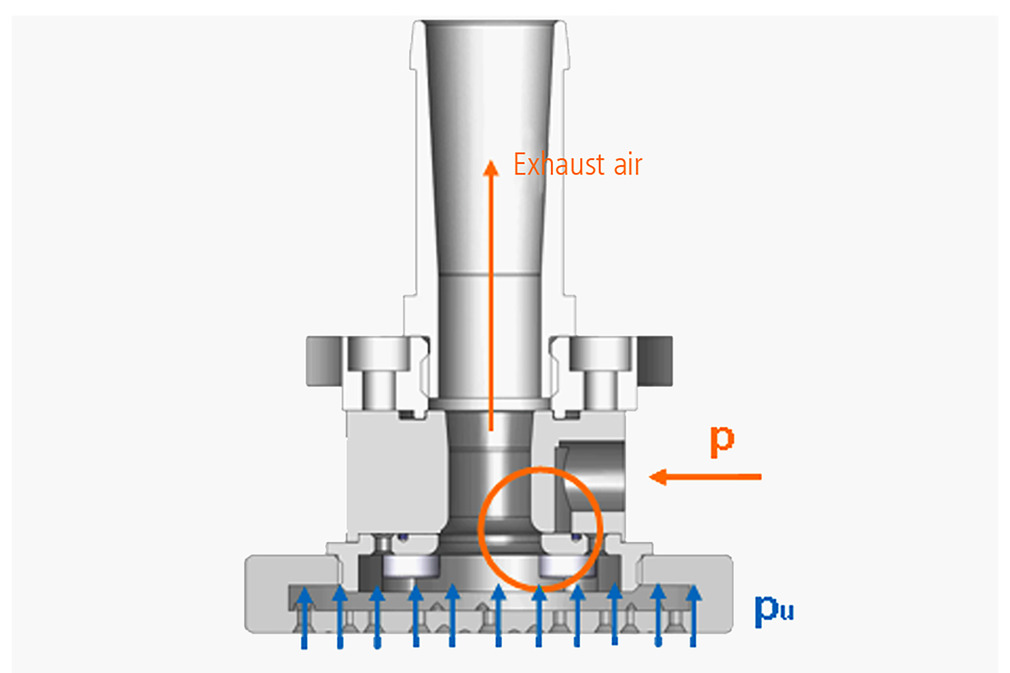
  • Compressed air escapes through holes in the suction cup and is greatly accelerated when doing so
  • Due to the increase in speed, the static pressure falls and a vacuum is produced (A) ("Bernoulli Equation")
  • The accelerated air escapes to the side (B); an "air cushion" is produced between the floating suction pad and workpiece
  • Leakage is compensated for through a high flow rate, which means that even porous workpieces can be handled and separated
  • The Bernoulli effect ensures that the workpieces are handled with minimal contact
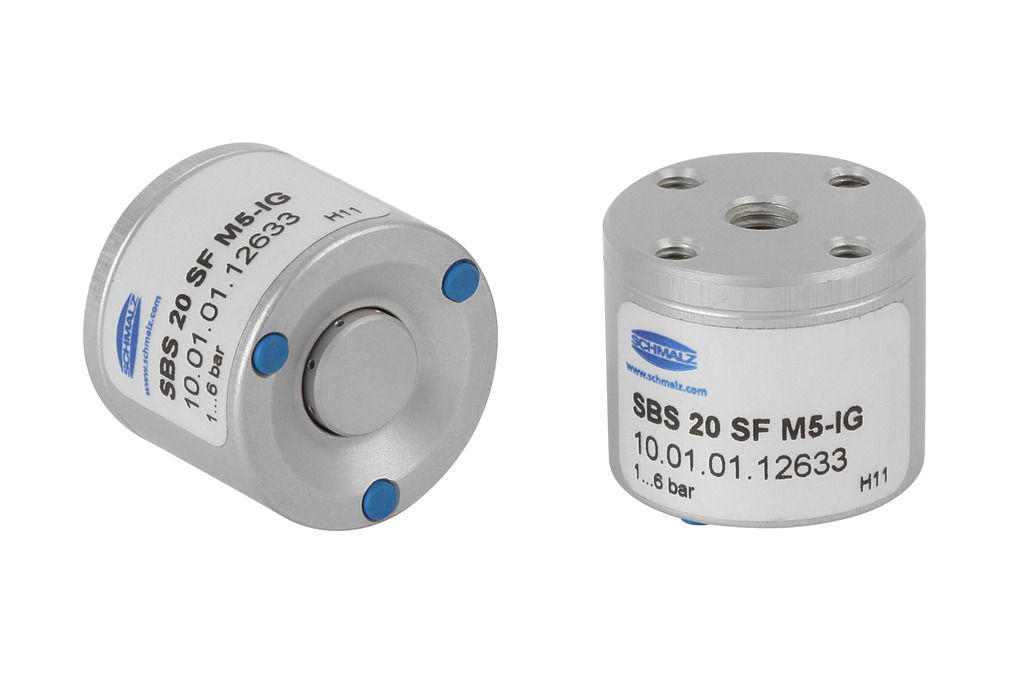
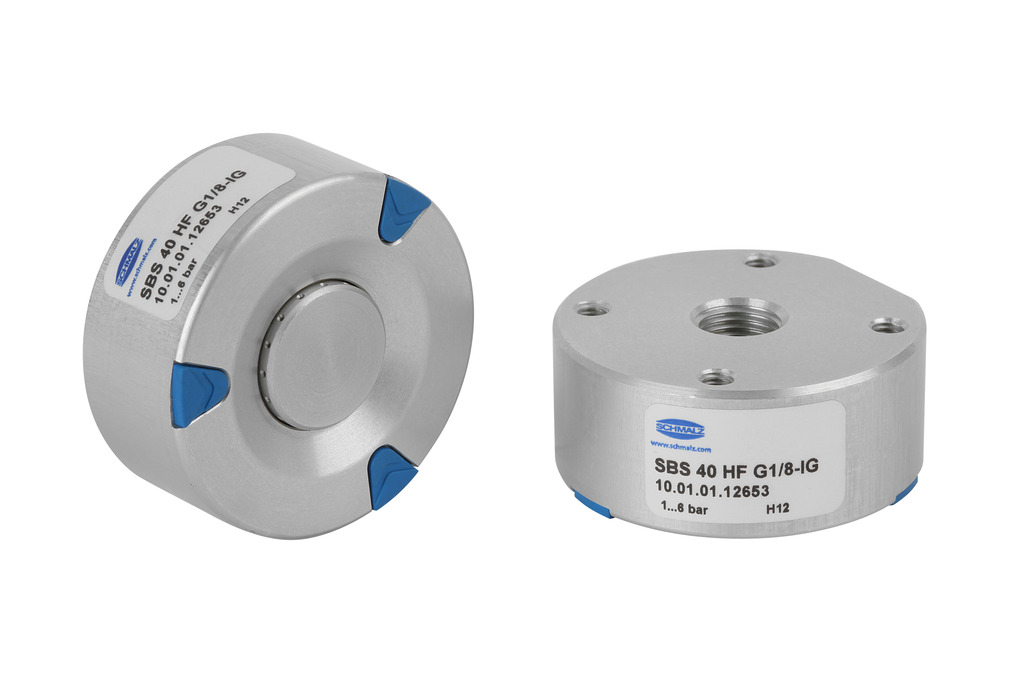
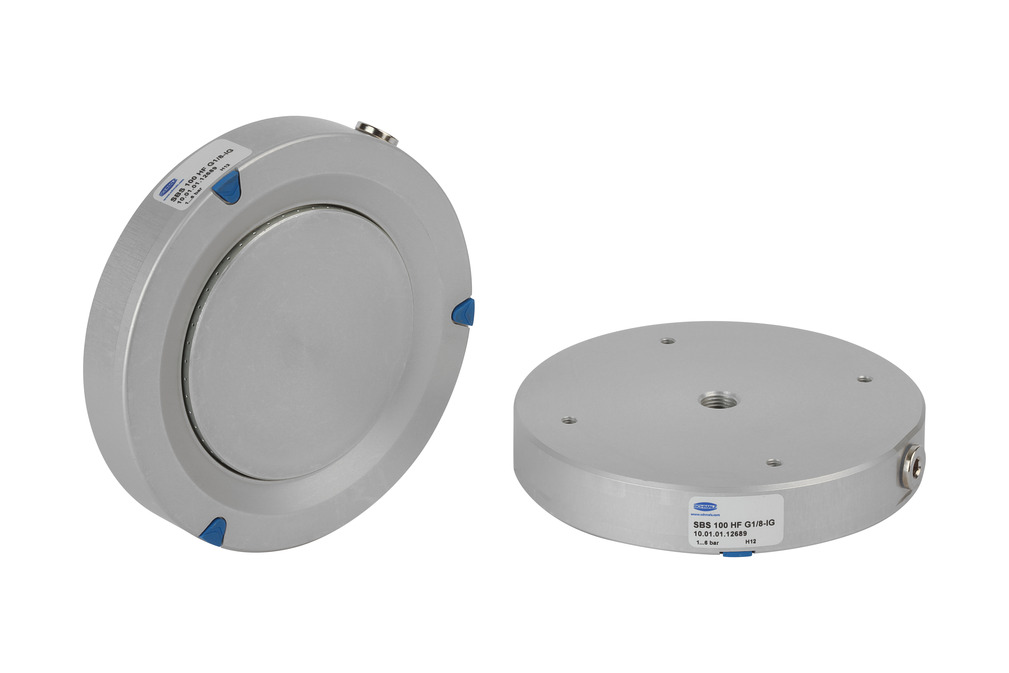
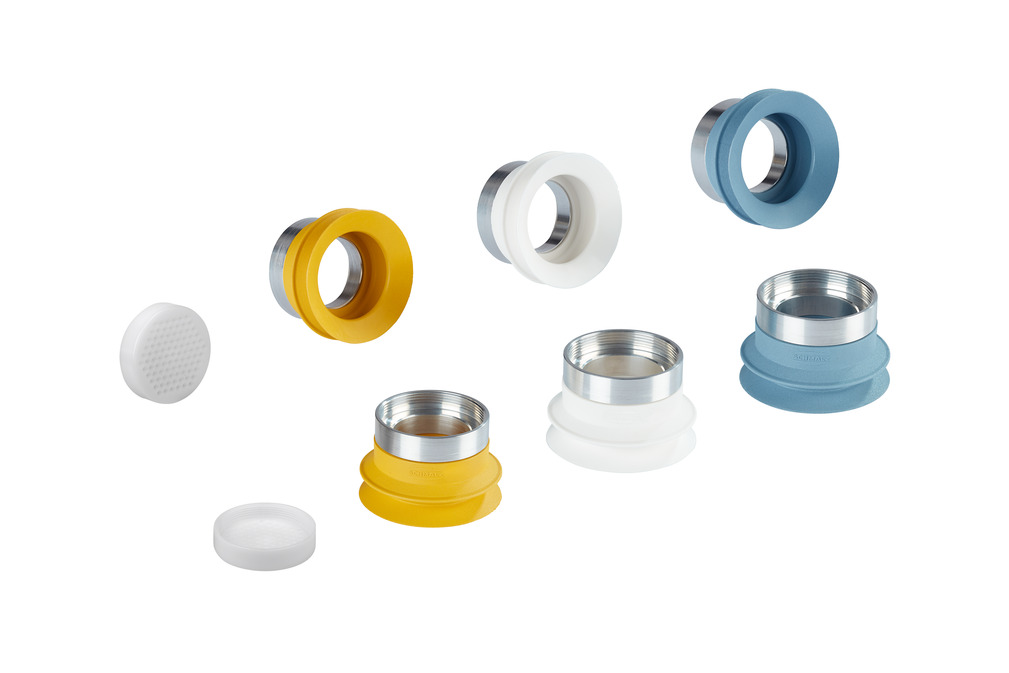
  • Floating suction cups function according to Bernoulli's principle

Advantages

  • Low-contact, gentle handling of thin and sensitive workpieces thanks to the Bernoulli effect
  • Safe separation of thin and porous workpieces

Products

The Coanda principle

Operating principle

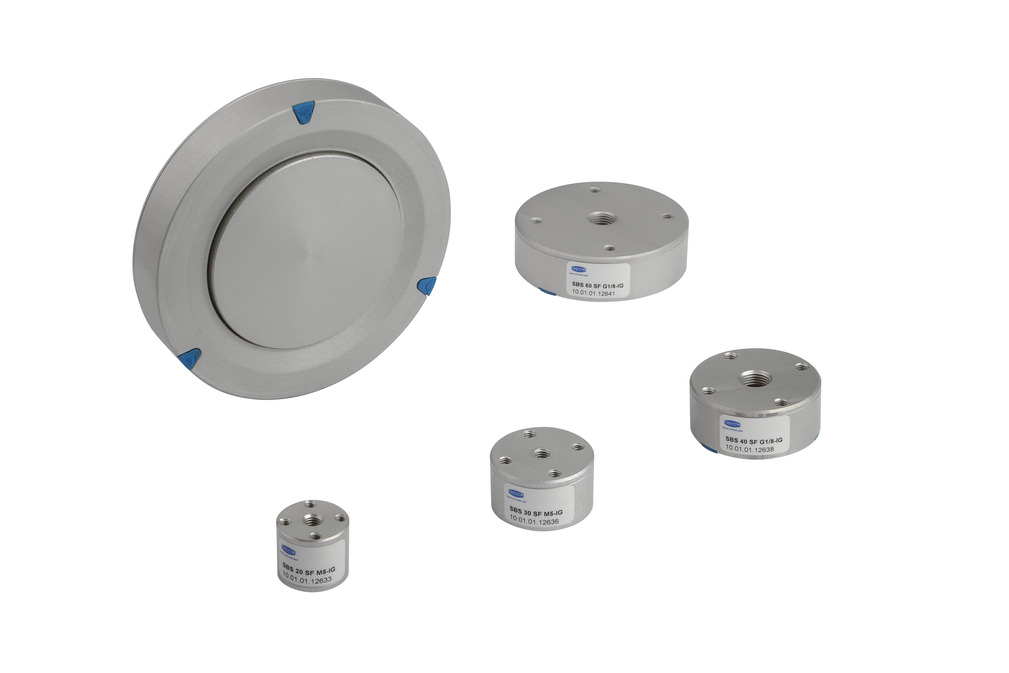
  • Pneumatic operation with integrated vacuum generation
  • With the Coanda principle, compressed air is guided through an annular gap which accelerates it
  • The increase in the flow speed results in the "Coanda effect" in which the escaping air follows a convex surface
  • The air flowing along the surface produces suction ("entrainment") in the ambient air

Advantages

  • High suction rate and low air consumption (the required operating pressure is 1 to 5 bar) due to the Coanda effect
  • Large contact surface with narrowly positioned vacuum openings prevent the workpiece from being sucked in or damaged
  • Suction areas can also be partly engaged

Products

Các công ty Schmalz

Vui lòng chọn công ty Schmalz tại một trong các khu vực sau:

Các khu vực

Khu vực của bạn không có trong danh sách?

Schmalz duy trì một mạng lưới bán hàng quốc tế với các đối tác phân phối tại hơn 80 quốc gia. Vui lòng chọn ngôn ngữ cho trang web quốc tế của chúng tôi.

URL được truy cập không nằm trong bối cảnh ngôn ngữ-quốc gia phù hợp

Kênh cửa hàng được xác định dựa trên tài khoản người dùng của bạn không trùng khớp với kênh của URL đang được truy cập. Để xem giá hoặc đặt hàng, vui lòng chuyển sang kênh dành riêng cho người dùng của bạn.

0 Sản phẩm đã được thêm vào giỏ hàng thành công

Đến giỏ hàng